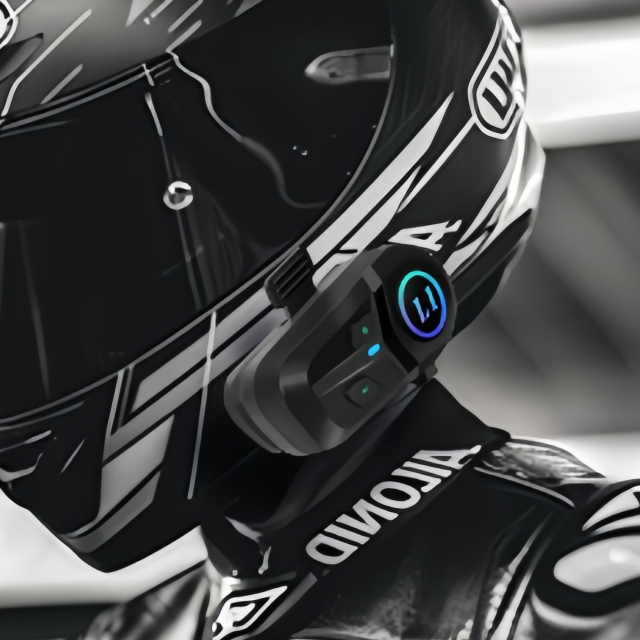
Helmet-mounted audio devices have become essential for modern riders, but choosing between a standard Bluetooth headset and a dedicated intercom system can be challenging. Below is a detailed comparison highlighting their key distinctions in functionality, design, and usability.
1. Core Purpose and Communication Features
Standard Helmet Bluetooth Headsets
These devices focus on basic audio functions:
- Music and calls: Connect to smartphones for streaming music or answering calls.
- Solo use: Designed for individual riders, lacking built-in group communication features.
- Limited range: Bluetooth connectivity typically works within 10–30 meters, suitable for short-distance interactions.
Helmet Intercom Systems
Specialized for rider-to-rider or group communication:
- Mesh/Group intercom: Support multi-user communication (e.g., 16 riders) over 1–4 km without cellular networks.
- Cross-brand compatibility: Systems like the Jifeng Q allow cross-brand pairing, enabling teams with mixed devices to connect.
- Dual modes: Offer open/public channels for casual chats and private channels for secure conversations.
2. Design and Safety Considerations
Standard Bluetooth Headsets
- In-ear designs: Often use earbuds, which can block ambient sounds like traffic signals, increasing safety risks.
- Fragile mounting: Prone to falling off when removing helmets.
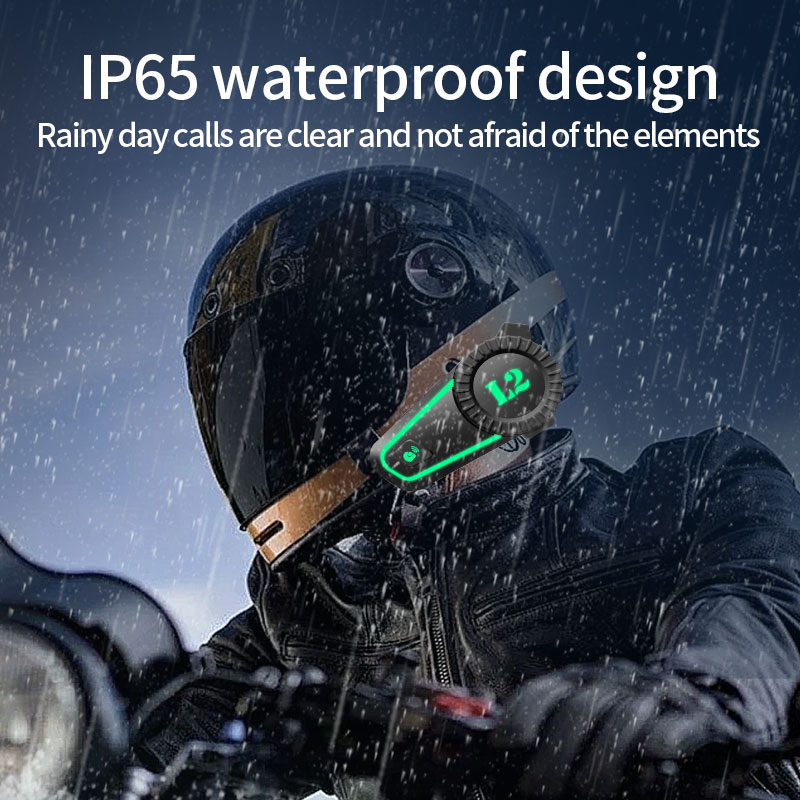
- Basic weatherproofing: Some lack IP ratings, making them unreliable in rain.
Helmet Intercom Systems
- External mounting: Securely attach to helmets without interfering with fit or safety gear.
- Ambient sound awareness: Open-ear speakers or bone conduction technology let riders hear traffic while enjoying audio.
- Robust build: IP67+ waterproofing and dust resistance ensure durability in harsh conditions.
3. Technical Specifications
Audio Quality and Noise Control
- Standard headsets: Struggle with wind noise at high speeds; basic noise reduction may distort audio.
- Intercom systems: Feature advanced noise cancellation (e.g., AI algorithms, air dynamics) to suppress wind/engine noise while preserving voice clarity.
Battery and Connectivity
- Standard headsets: Offer 8–12 hours of playtime; slower charging (e.g., 2 hours for a full charge).
- Intercom systems: Provide 13–24 hours of talk time with fast charging (e.g., 30 minutes for 3 hours of use).
- Bluetooth 5.3+ vs. older versions: Intercoms use newer protocols for lower latency and extended range.
4. Use Case Scenarios
Standard Bluetooth Headsets
- Solo commuters: Ideal for urban riders needing occasional music or GPS navigation.
- Budget-conscious users: Entry-level models cost under $100.
Helmet Intercom Systems
- Group rides: Essential for touring teams requiring real-time coordination.
- Adventure riders: Long-range communication and GPS integration (via apps like Jifeng Ke) enhance safety in remote areas.
- Tech enthusiasts: Features like LED pixel customization and 5G network support appeal to gadget lovers.
5. Price and Brand Ecosystem
- Standard headsets: Affordable (20–150), but limited to generic brands like JBL or budget motorcycle accessories.
- Intercom systems: Premium pricing (100–400), with brands like Cardo and Sena dominating the market.
- Jifeng Q: A cost-effective alternative (100–150) with high-end features like mesh networking.
Conclusion
While standard helmet Bluetooth headsets suffice for casual riders, helmet intercom systems excel in group dynamics, safety, and rugged performance. Intercoms’ advanced communication range, noise suppression, and cross-device compatibility make them indispensable for touring enthusiasts. For instance, the Jifeng Q’s 4 km range and customizable LED panels demonstrate how innovation is reshaping rider connectivity. As motorcycle technology evolves, intercom systems are transitioning from luxury gadgets to essential safety tools—proving that clear communication is as vital as the helmet itself.
: Standard headsets prioritize music/calls, while intercoms focus on group communication.
: Intercoms use mesh networks for 1–4 km range; standard Bluetooth limits to 30m.
: Open-ear designs in intercoms enhance situational awareness.
: Premium intercoms offer IP67 waterproofing and 24-hour battery life.
: Cross-brand compatibility makes intercoms versatile for mixed teams.